July 8th, 2026
What does it mean to be a small family farm? Are there limitations on the acreage that a small family farm can farm to qualify as a small farm? Does a Small Family Farm need to be quaint and cute and fit the storybook image of the wife with the apron, the husband in overalls, the children in skirts and trousers feeding the chickens and pigs? Are small family farms more like homesteaders with large gardens? Are there ethical concerns when a farm gets too big? What
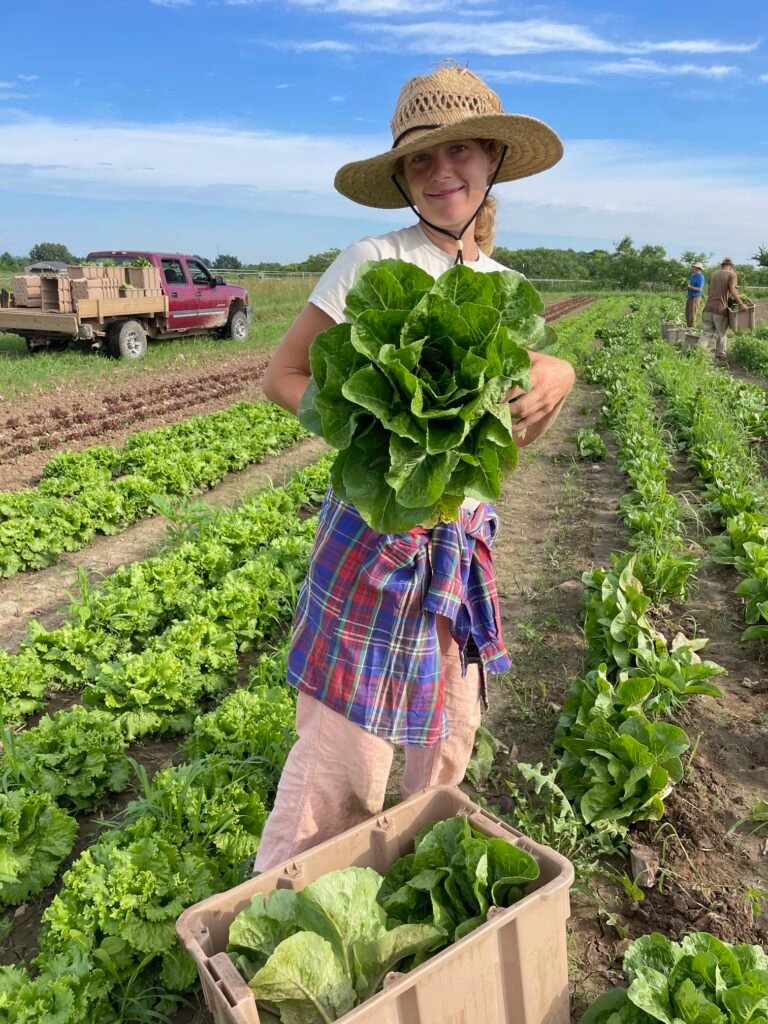
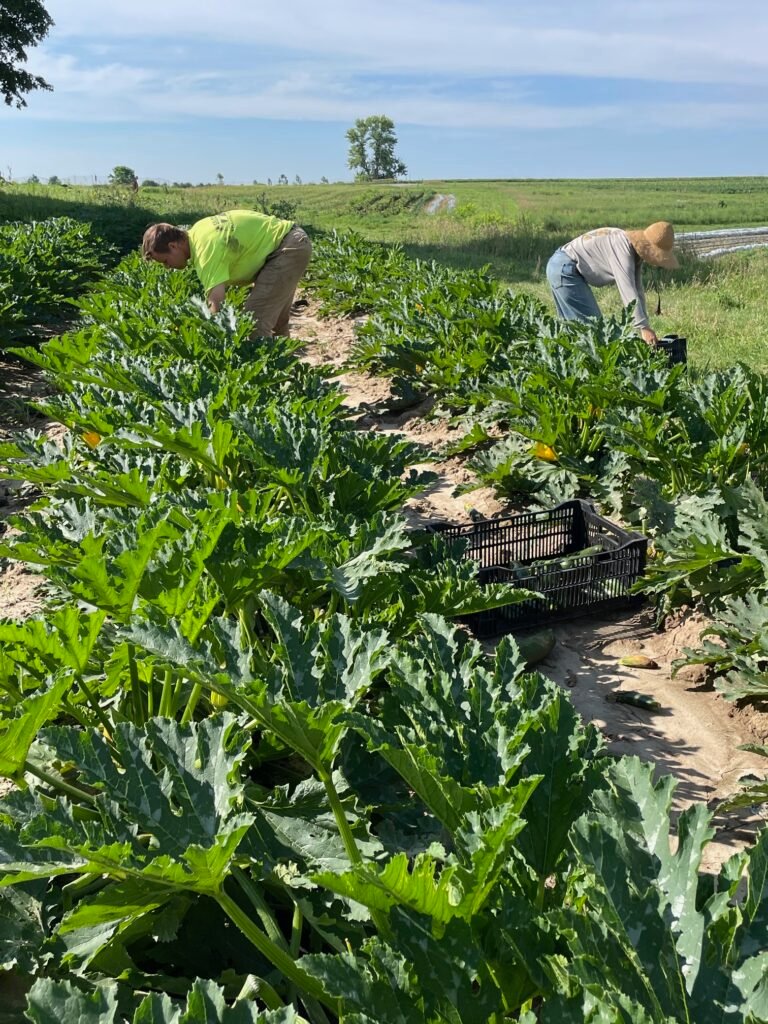
This is a subject I think about occasionally because people like to tease me once in awhile that we’re going to have to change our name to “Big Family Farm”. They see the long rows of vegetables and what looks to them like an expansive farm, because maybe they haven’t seen many vegetable farms? They see the trucks and the line of tractors and the crew of people and it all looks so BIG to them. But I say big is relative.
We’re big compared to homesteaders and gardeners in Wisconsin, but we’re really quite small compared to a farm in the Salinas-Montery area in Cailfornia where a small vegetable farm can be between 50-1000 acres in fruit or vegetable production. Even these farms are considered ‘family farms’ because many of them are operated by families. Adam and I are the Human Relations Department. We’re the Equity, Marketing, and Production. Sometimes it feels a little crazy how much we try to do ourselves, but we’ve been out here for 20 years now and we have patterns and roles and systems that work for our small business model.
No matter how big or small a family farm is, in my eyes, a farm should have heart. They should be beautiful places that people want to come to. They should protect and enhance natural resources, enliven and strengthen rural communities, and be nurseries for the development of new enterprises and marketing systems. A good farm will not stink up it’s neighborhood. A good farm will steward the land rather than destroy and destruct it, value the human worker, and not put profit and production above family and community.
When we zoom out and we compare our farm with a national average or to a small farm in Salinas Valley where half of America’s vegetables are grown, 13 acres of vegetables (on a 40 acre lot), is quite small. Tiny actually. What we do well is produce a diverse array of organic vegetables for about 400 families each week across the midwestern growing season. We believe in protecting our groundwater, biodiversity and food safety and security which, big or small, should be the responsibility of every farmer.
But perhaps most importantly of all, we cultivate community in a big way. We grow friendships, families and working relationships in a way that a farming community should. There have even been a few young couples who have met here, fallen in love here and are now married with children. Lifelong friendships are made when you spend hundreds of hours weeding, harvesting and doing hard things with someone on a farm for 7 months out of the year. It sounds cliche and a little dreamy and lofty when I say it, but I mean it the most grounded and sincere of ways. When we live in a machine world where production, mechanization and the elimination of the human worker becomes the ideal, we insist and persist on cultivating community with the preservation of the American small family farm.
What’s in the Box?
Fennel- Fennel is a licorice flavored herb. The bulb is the most commonly eaten part. You may need to remove a woody core at the center and base of the bulb. The frawns can be used for garnish or for chewing on, but generally they are not used in cooking. Fennel caramelizes very nicely similar to an onion. Stores best in a plastic bag in the fridge.
2 lbs Potateos- Overwintered potatoes from last last summer. The final giving! Keeps best in fridge to prevent sprouting if you don’t plan to use them up right away.
1-2 Kohlrabi- Could have been a white or a purple kohlrabi. Wonderful for slicing up and salting with a veggie dip, grating raw over salads or even adding to a stir fry. Kohlrabi greens can be cooked with like kale if you like to make use of everything!
Garlic Scapes- We’re coming to the end of our garlic scapes now, soon we will have fresh garlic to give once garlic harvest begins in another week here. Use from the blunt end up to the nodule. Above the nodule is edible, but a bit more chewy.
3-4 Summer Squash/Zucchini- Yellow squash and zucchini prefer a 50 degree storage temp. The fridge is a bit too cold and the countertop is a bit too warm, so use them up! Squash plants are very generous in the heat and humid months of the summer!
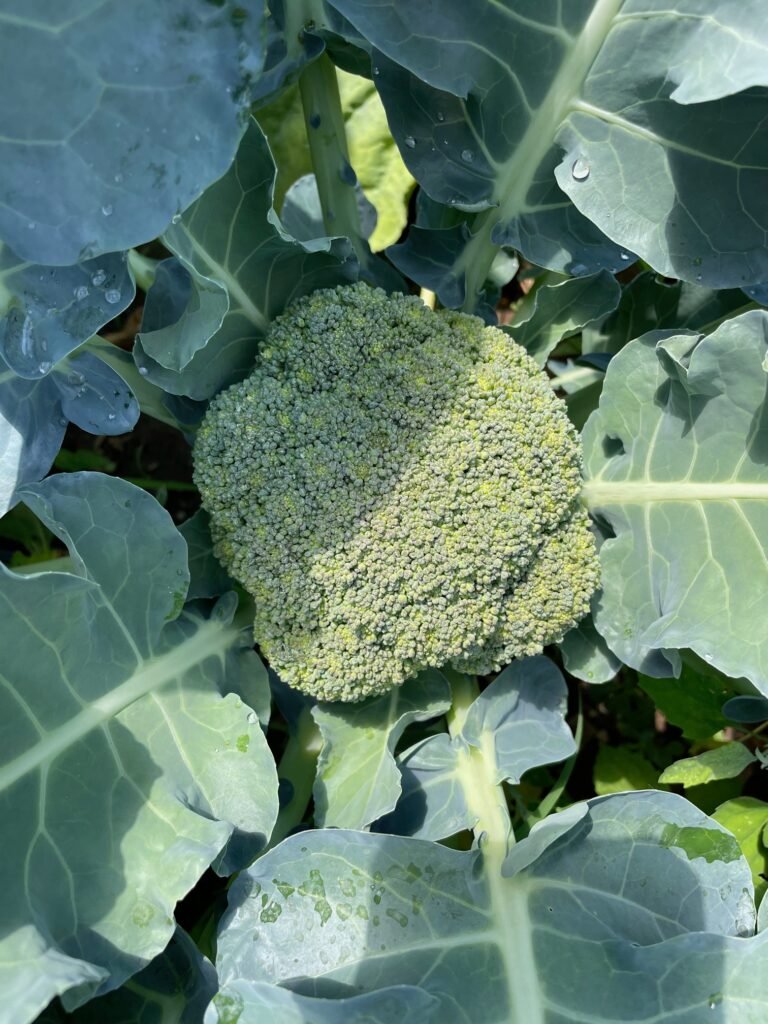
Broccoli- One head of broccoli per box. Broccoli loves to be kept very cold. We store it on ice here at the farm, so get your broccoli home and into your fridge as soon as possible for maximum freshness.
Bunching Onions- Green onions are here to hold us over until slicing onions begin in August. Can be used all the way up to tip. Stores best in a plastic bag in the fridge to preserve moisture.
Collards- We are giving two cooking greens this week, collards and kale because the plants needed to be picked. So many fun ways to enjoy collards! Stores best in a plastic bag in the fridge.
Red Kale- I think red kale has a fruitier flavor than green curly kale. Stores best in a plastic bag in the fridge.
Green Leaf Lettuce- Tropicana is the variety name. A heat tolerant variety to keep us in fresh greens for the heat of the summer. Stores best in a plastic bag in the fridge.
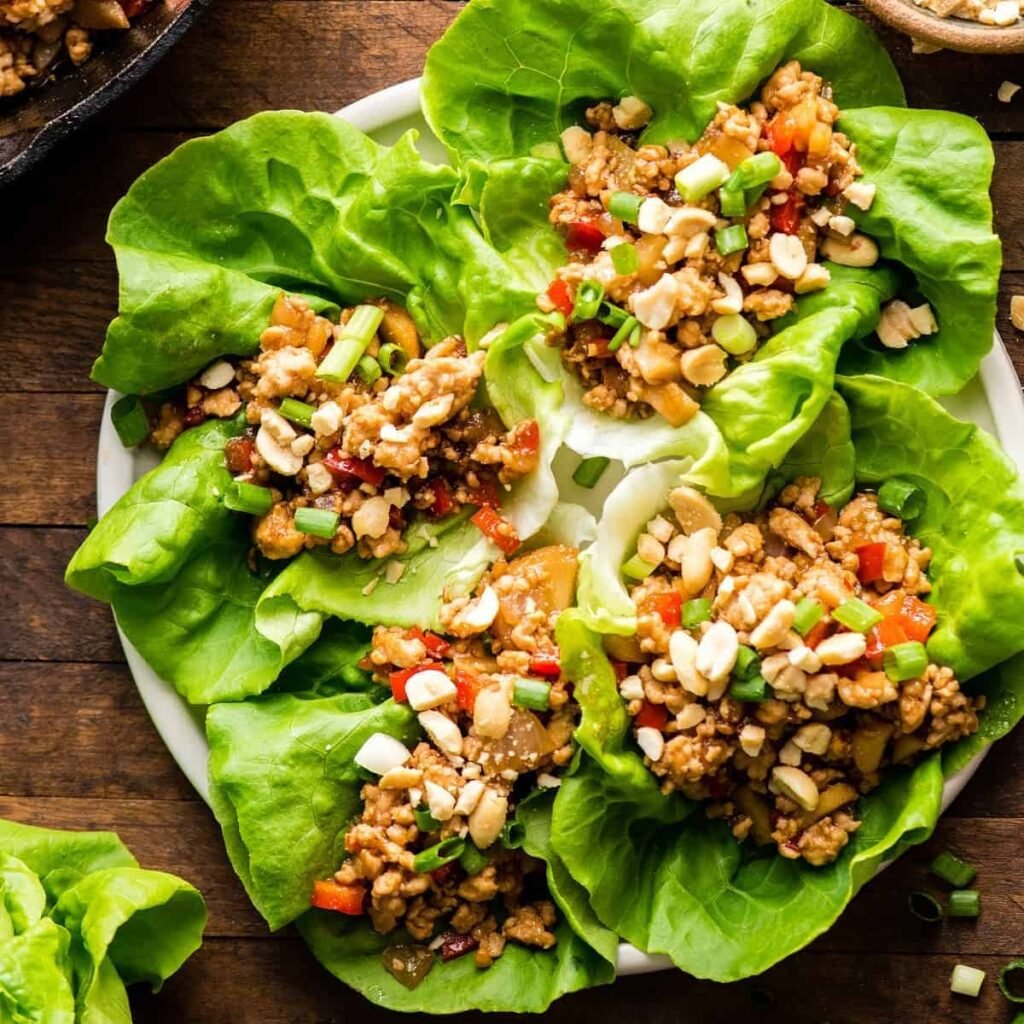
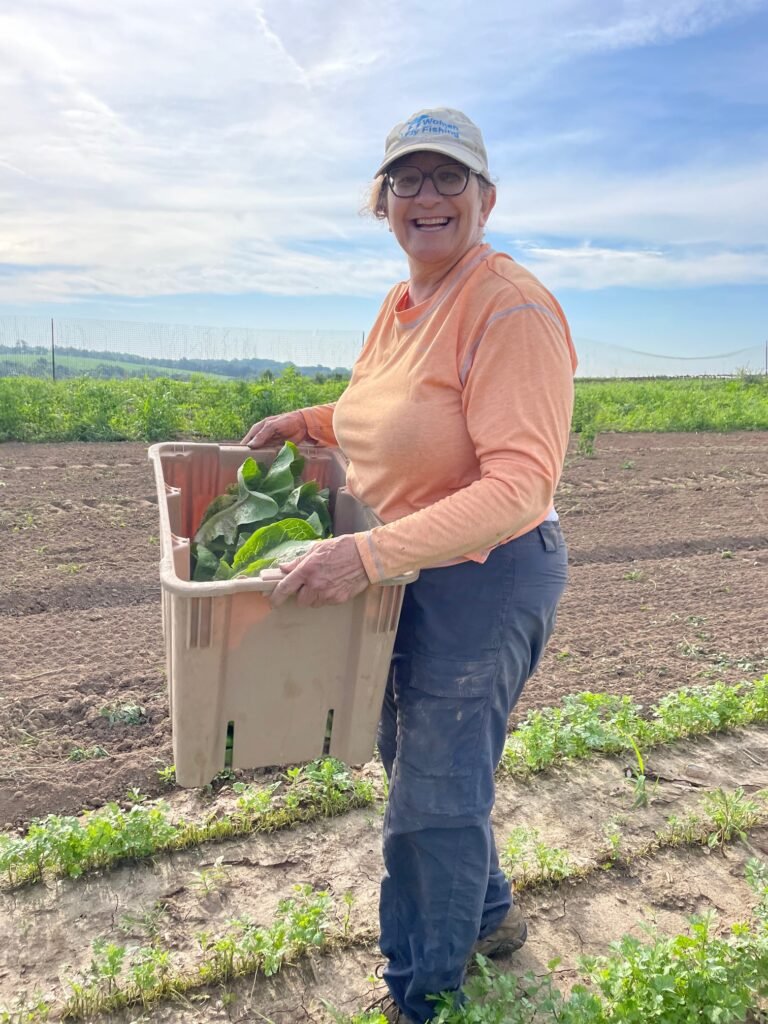
Romaine Lettuce- Romaine are wonderful for making Ceasar Salads or for using for lettuce wraps. Stores best in a plastic bag in the fridge.
Cilantro- We’re having a nice run on cilantro, but this will be the last giving for a bit yet. Stores best in a plastic bag in the fridge or in a glass of water like cut flowers in the fridge.
Next Week’s Best Guess: Green Cabbage, Summer Squash/Zucchini, Broccoli, kohlrabi, bunching onions, lettuce, kale or swiss Chard, Cucumbers?, Cauliflower?, Garlic Scapes or Fresh Garlic
Recipes
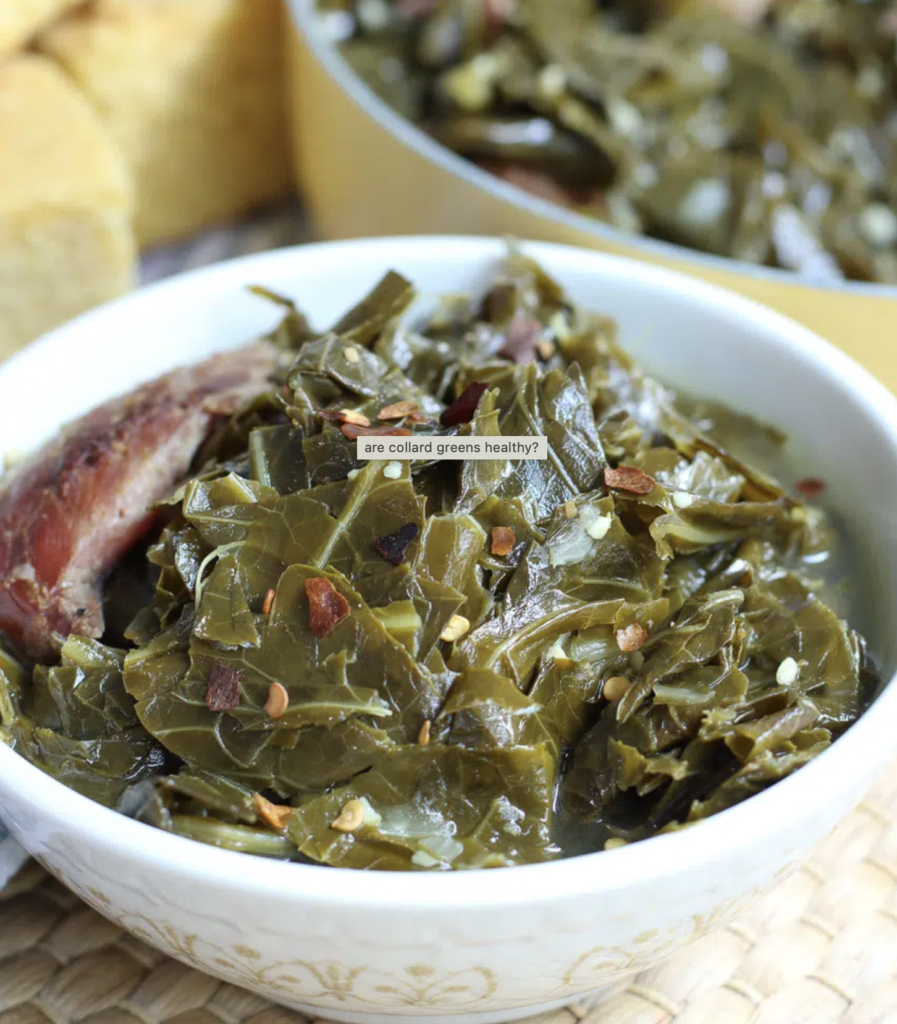
Southern Style Collard Greens Recipe
(cooked low and slow in broth)
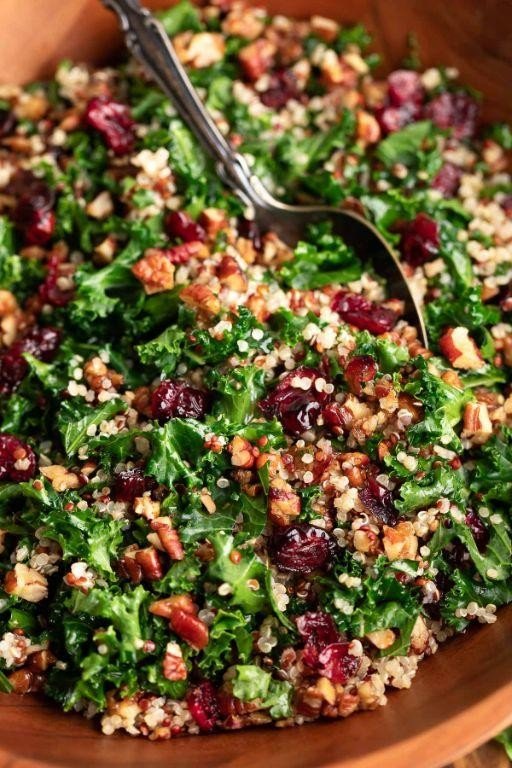
Red Kale Quinoa Salad with Feta
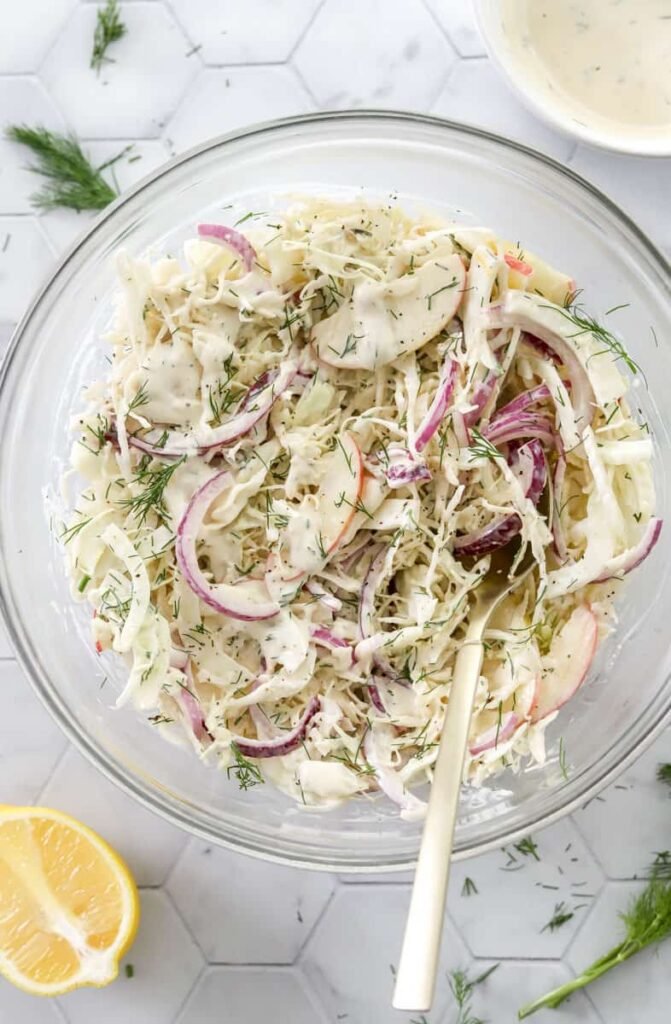
Simple Fennel-Apple-Cabbage Slaw with Yogurt Dressing
Use your fennel frawns instead of dill. I know this recipe calls for a cabbage. We’ll have cabbage next week, but maybe you have one in your fridge too!
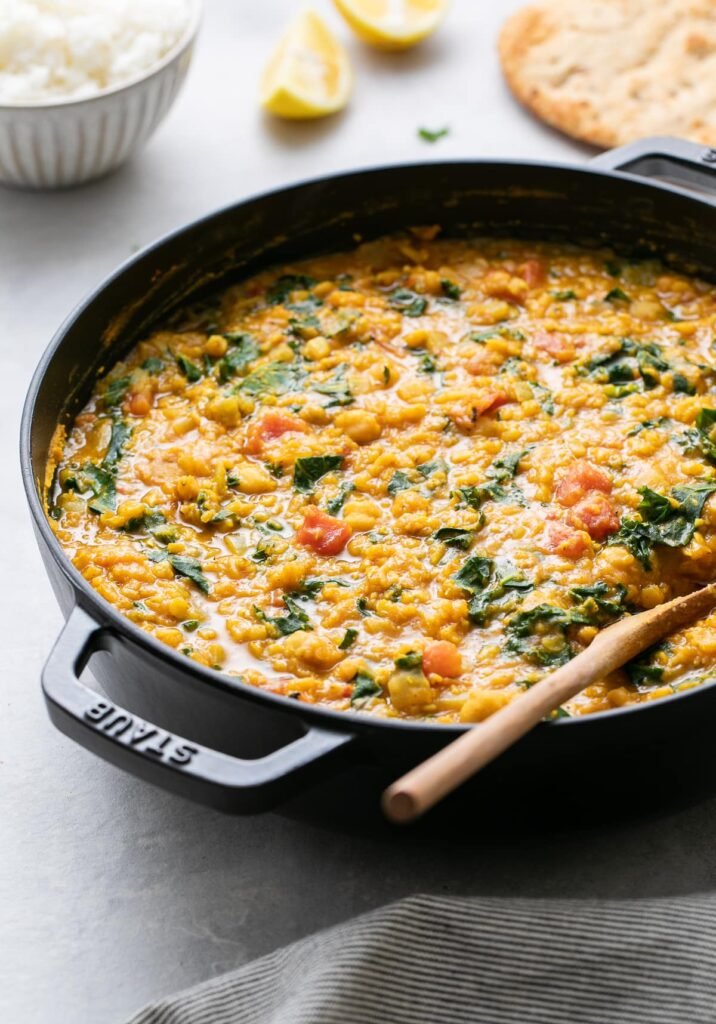
Curry Red Lentil Stew with Kale and Chickpeas